Direct Booking Websites for Holiday Rentals
Turn your holiday rental into a recognisable brand, attract guests directly and build a booking channel you control.
I build websites for holiday lets, short-term rentals, vacation rentals, cottages, villas, cabins, lodges, guesthouses and independent accommodation owners. Whether you are in Cornwall, Wales, Scotland, Florida, California or somewhere completely different, the principle is the same: your property deserves more than a listing on somebody else's website.
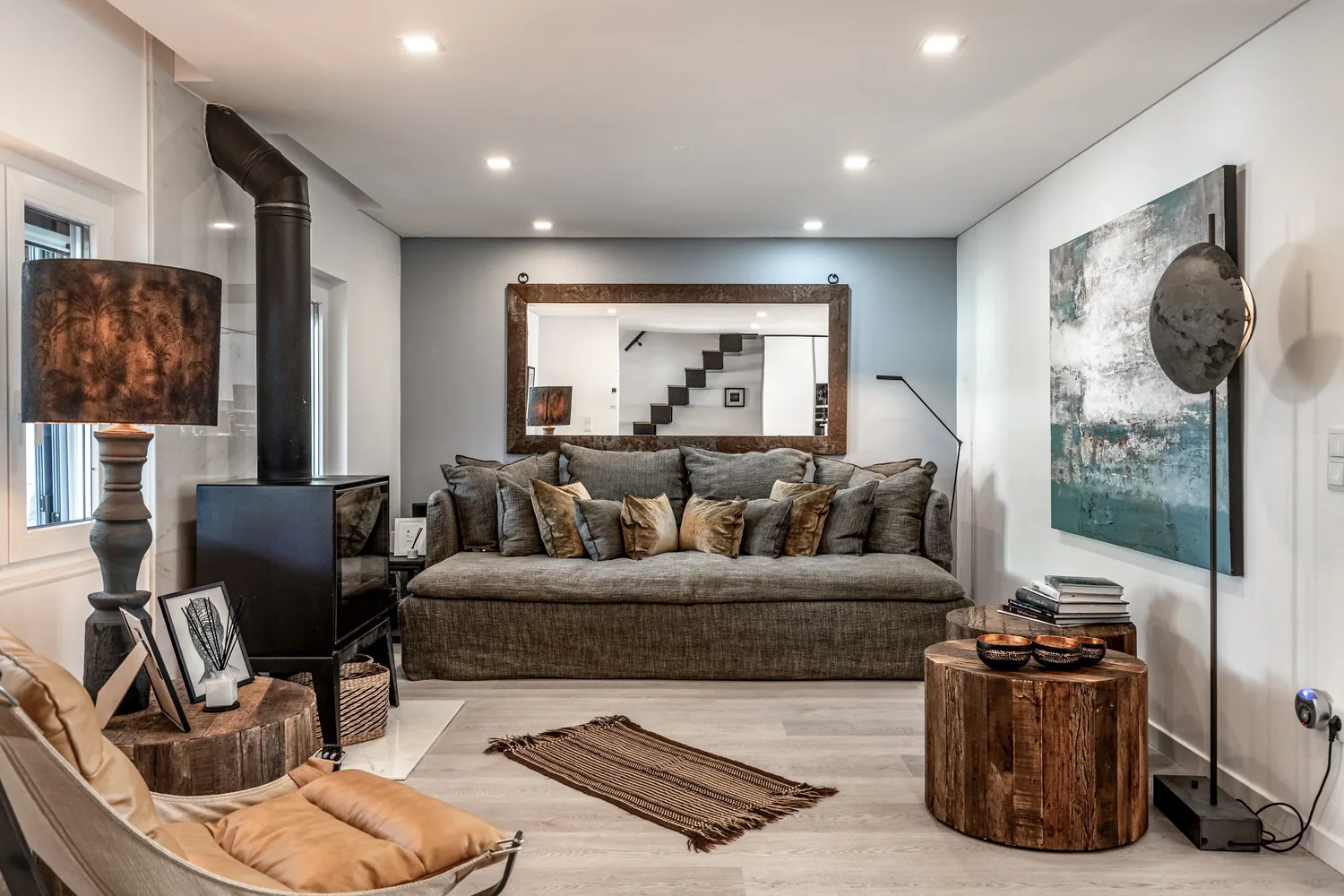
Airbnb can be a sales channel. It doesn't have to be your entire business.
Use Airbnb. Use Booking.com. Use Vrbo. Just don't make them the only way guests can find and book you. A direct booking website gives your property its own home online, somewhere you control the presentation, the brand and the enquiry route.
What Happens If Your Entire Booking Business Lives on Someone Else's Platform?
Booking platforms have given millions of property owners access to guests they might never have reached otherwise. That is genuinely valuable. But when a platform is the only way someone can find, explore and book your property, your entire business depends on somebody else's marketplace.
Service fees take a slice of every booking
Booking platforms provide enormous reach, but service and commission fees can also take a meaningful slice from each reservation. Over a full season, that adds up.
The platform controls how your property looks
Your listing sits inside a template the platform designed. The layout, the photo order, the information hierarchy, all of it is decided by someone else.
Search algorithms decide if you are visible
Where your property appears in search results is shaped by the platform ranking system, not just the quality of your accommodation. Change the algorithm and your position shifts.
Policies and fee structures can change
Platform policies, fee structures and cancellation rules are set by the marketplace. Changes can affect how your property is presented and what each booking costs you.
Your property sits beside hundreds of competitors
A marketplace page shows your property next to dozens or hundreds of similar listings. A guest who arrived through your listing is one click away from someone else.
Reviews build the platform, not your brand
Your hard-earned reviews build trust inside the marketplace. But they do not give you a standalone online presence that a returning guest or a recommendation can point to.
The platform owns much of the customer journey
From search to booking to messaging, the journey lives inside the platform. The guest never lands on something that is unmistakably yours.
Repeat guests go back to the marketplace
After a good stay, many guests remember they booked it on Airbnb or Booking.com rather than remembering your property name. Next year they search the marketplace again and see all your competitors.
Don't Send Last Year's Guests Back to Airbnb
If someone has already stayed at your property, loved it and wants to return, why make their next journey begin on a marketplace containing hundreds of competing properties?
A memorable website and domain gives past guests somewhere obvious to find you again. Instead of searching Airbnb and scrolling through dozens of alternatives, they go straight to your site, see your property and enquire directly.
Guests also share. If someone wants to recommend your cottage to a friend, a direct web address is far more useful than instructions to search for a listing on a marketplace. Your own domain is something people can text, email and pass on by word of mouth.
Your website is an independent acquisition and repeat-marketing channel. It is not a mechanism for circumventing obligations arising from a booking made through an OTA. I don't encourage clients to breach Airbnb, Booking.com, Vrbo or any other platform's terms, fee-avoidance policies or contractual restrictions. The goal is to give your property its own home online, not to work around the agreements you have with the platforms you use.
Build a Booking Channel You Actually Own
A direct booking website gives you things a marketplace listing never can: your own domain, your own brand, your own presence in Google, and a route for guests to find and book you without a platform in between.
Your own domain
A memorable web address that belongs to your property, not a profile page inside a marketplace.
Your own brand
A name, a look and a presence that guests remember independently of any booking platform.
Your own presence in Google
Indexable pages that Google can find and rank, rather than a single listing buried inside a marketplace.
Your own booking route
A direct enquiry or booking path that does not pass through a platform or incur its fees.
Somewhere for repeat guests
A place past guests can return to without searching through hundreds of competing listings.
A destination for your marketing
Somewhere to send social media traffic, Google Ads traffic and word-of-mouth referrals.
No competing listings beside it
Your property displayed on its own, without dozens of alternatives shown next to it.
An online asset you control
A website you own and can change at any time, not a listing subject to someone else's platform rules.
A Real Direct Booking Website: Comporta Village House
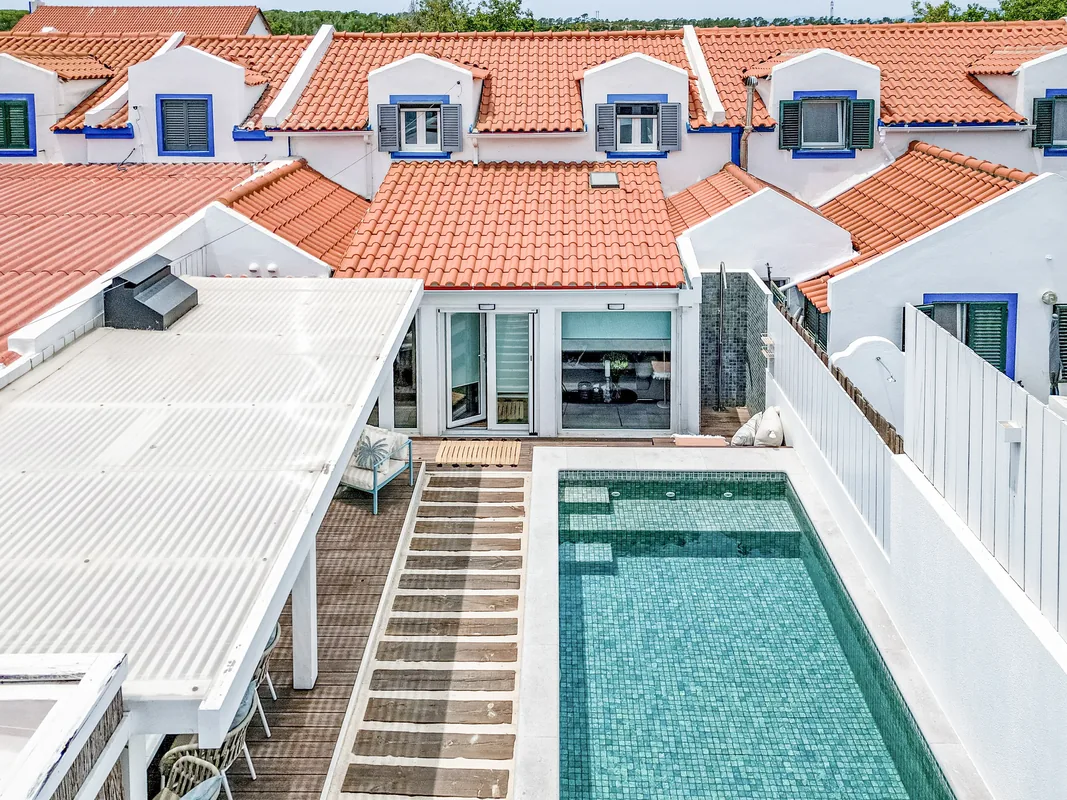
Rather than existing online solely as a listing on a booking platform, Comporta Village House now has its own digital home.
I created the independent website for Comporta Village House, a characterful holiday home in Comporta, on Portugal's Alentejo coast. The property has an established presence on Airbnb and has hosted guests for many years. The website gives it something the marketplace listing cannot: a standalone online home where the property can be discovered, explored and enquired about independently.
The website currently provides, among other things:
The availability page allows guests to check availability, see rates and minimum stays, and submit a booking enquiry directly. The website states that guests can book directly without a middleman and gives them direct access to the hosts.
This case study is about what was built and why. The point is not to claim results I cannot prove. The point is that an independent property owner now has a professional, branded website that presents the accommodation properly, ranks in Google and gives guests a direct route to enquire, all on a domain the property owner controls.
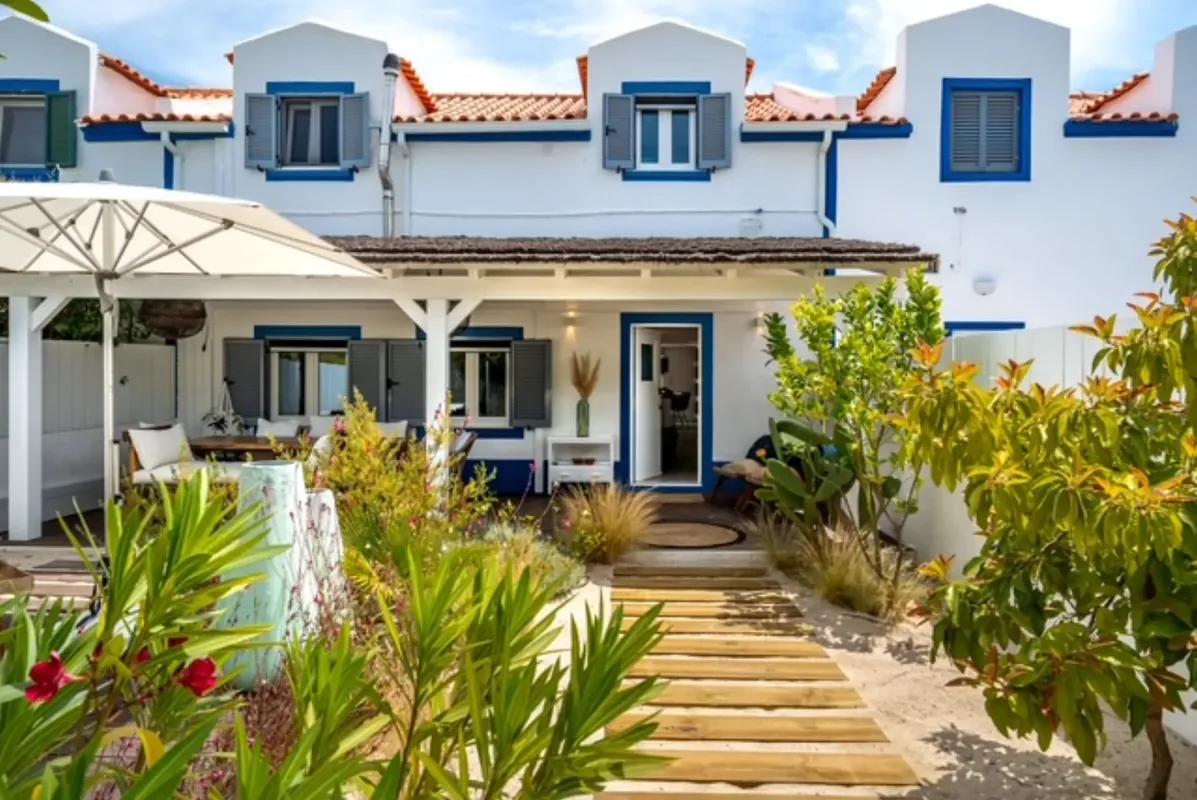
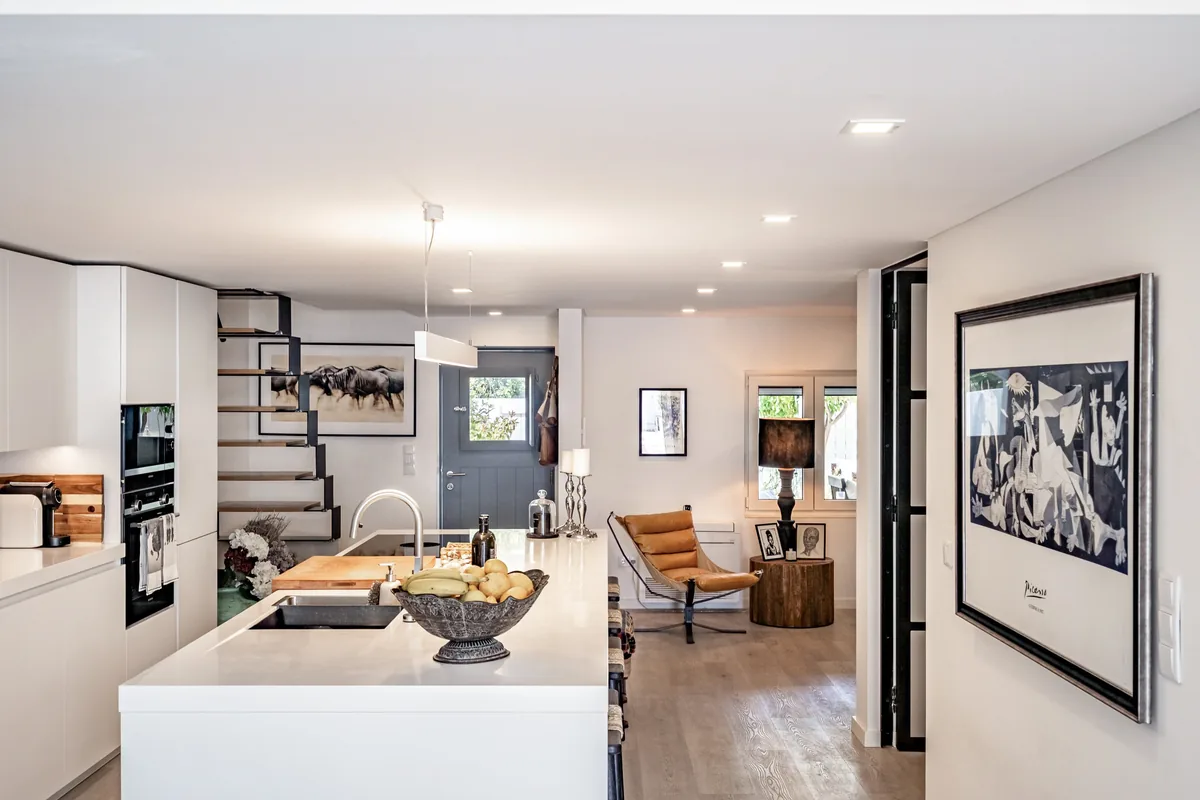
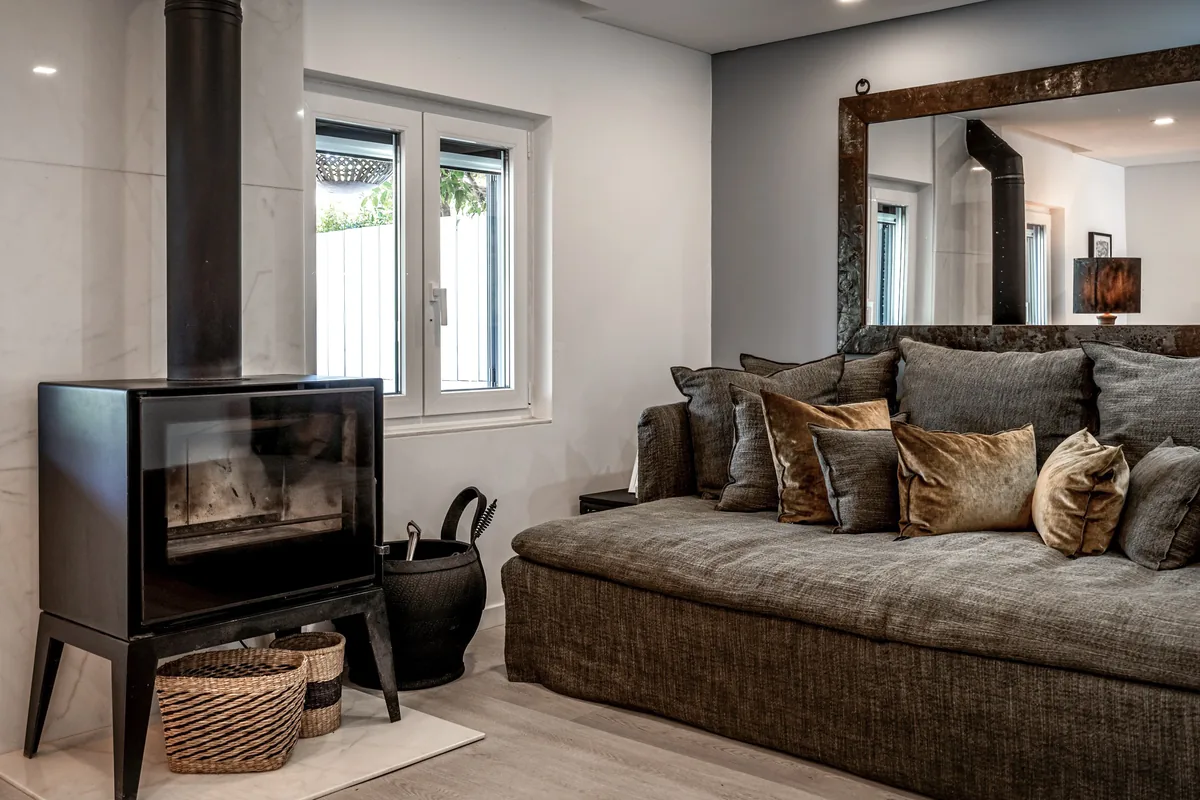
Destination content like this gives Google significantly more context than a single marketplace listing.
Everything Your Guest Needs to Book With Confidence
Every project is different, so not every feature below is included automatically. Some are standard, some are available depending on your needs. I'll discuss what makes sense for your property and how you currently manage reservations.
Your Own Domain
A memorable address guests can return to, share with friends and find on Google. It belongs to your property, not a marketplace profile page.
Beautiful Property Pages
Photography, rooms, amenities and important stay information without being constrained by an OTA template. Your property presented on its own terms.
Availability
Display available dates through an appropriate calendar or availability system, integrated in a way that suits how you manage reservations.
Direct Booking Enquiries
Let visitors provide dates, guest numbers and booking details directly. No platform in between, just a clear route to enquire.
Online Booking Where Appropriate
Where an integrated booking engine makes sense, I can connect a suitable third-party or existing booking system. The website works around how you already manage reservations.
Rates and Stay Information
Clearly present pricing, minimum stays, fees, policies and everything a guest needs to understand the booking before they enquire.
WhatsApp, Email and Telephone
Make it easy for potential guests to ask questions however they prefer. Quick answers build confidence and move people towards booking.
Local Area Content
Useful destination pages about beaches, attractions, restaurants, activities and nearby places. Content that helps guests and gives Google more context.
Search Engine Optimisation
Structure the website so Google can properly understand the property, the location and the content. Clean URLs, metadata and schema where appropriate.
Analytics
Measure where visitors come from and what they do on the site. Know whether your marketing and advertising are actually delivering.
Mobile-First Design
A large proportion of travel research happens on phones. The site has to be excellent on mobile, not just acceptable.
Multiple Languages
Available where appropriate for properties serving international guests. A language switcher can be added if your audience needs it.
Direct Booking Doesn't Mean DIY Booking Engine
A direct booking website can work in several different ways. The right setup depends on how you currently manage reservations and what level of automation you actually need.
Enquiry and manual confirmation
Visitors submit dates and details through an enquiry form. You review and confirm personally. Simple, low-cost and ideal for an owner with one cottage or holiday home who handles bookings by hand.
Integrated booking engine
Where online booking makes sense, I can integrate a suitable third-party booking system. I don't have a proprietary booking engine. I connect the right tool for your setup, whether that is a standalone booking platform or something that syncs with your existing property-management software.
PMS or calendar sync
If you already use a property-management system or channel manager, availability data can often be pulled from it so your website calendar stays in sync automatically.
Working alongside another system
The website can link to or work alongside a booking system you already use. The point is that your website becomes the front door, even if the booking itself is handled by a tool behind the scenes.
This makes the service suitable for both an owner with one cottage who confirms enquiries personally and an operator managing multiple properties using booking or PMS software.
Your Website Is the Destination. Google Ads Can Bring the Guests.
As well as building your website, I can create and manage laser-focused Google Ads campaigns that send prospective guests directly to your property, not to a marketplace displaying scores of competing listings.
There is a fundamental difference between someone browsing social media and someone searching Google for somewhere to stay. A person scrolling Instagram is not necessarily looking to book accommodation. A person searching Google for a holiday cottage in Cornwall, a luxury cabin in the Lake District, a vacation rental near Disney or a villa with a pool is already in the market.
Those are illustrative concepts. I won't state exactly which search terms will work for your property until I have done proper keyword research for your specific location and accommodation type. But the principle is straightforward: instead of paying to send someone to a marketplace containing a large number of alternatives, an advertising campaign can send them directly to your property's own website.
One Search. One Property. One Clear Route to Enquire.
The page they land on can concentrate entirely on your property, its location, its advantages, availability and booking or enquiry options. No competing listings need to appear alongside it.
I don't guarantee bookings, a fixed cost per booking or a specific return on ad spend. What I do is build focused campaigns, track enquiries and conversions, and refine them over time. Measurement can show clicks, enquiries, conversions and relevant actions, so you have a much clearer idea whether your advertising is delivering value.
Build Something Google Can Actually Find
An Airbnb listing is primarily part of Airbnb's website. An independent website allows you to build your own search footprint.
Your own website gives you pages Google can index, rank and send traffic to. This can include pages about the accommodation itself, the destination, nearby beaches, attractions, things to do, events, family activities, walking, cycling, restaurants, local guides and particular property features.
This gives Google significantly more context about your property and destination than a single marketplace listing may provide. A marketplace listing is one page. A proper website is a collection of related pages, each targeting a different aspect of what a guest might be searching for.
I don't promise rankings. SEO is a longer-term acquisition channel. But paired with Google Ads, which can provide immediate visibility once campaigns are approved and running, the two channels complement each other clearly:
Google Ads
Immediate paid visibility. Your property in front of people searching right now.
SEO
Longer-term organic opportunity. Build authority and visibility that compounds over time.
Your Website
The destination both channels feed. The online home for your property that you own.
Stop Being "That Airbnb We Stayed In"
After a good stay, how do guests describe your property? If the answer is "that Airbnb we stayed in last summer," your property has no brand of its own. It is remembered as a listing on a platform, not as a place with a name and an identity.
A few things can change that:
This matters most for properties that have character: cottages, unique stays, luxury villas, cabins in the woods, coastal retreats, boutique guesthouses. The more distinctive the property, the more it deserves to be remembered by name rather than as a marketplace listing.
The Maths Favour Having Your Own Channel
Booking platforms provide enormous reach, but service and commission fees can also take a meaningful slice from each reservation. I am not going to quote specific percentages here, because platform fee structures vary and change. If you use one, you already know what it costs you per booking.
Here is the strategic point: a direct booking channel does not need to replace OTA bookings to be valuable. Even if only part of your future business eventually comes directly, you have created an additional acquisition channel and a valuable owned asset. Every booking that comes through your own website avoids the platform fee on that reservation.
You don't need to abandon the platforms. You just need to stop being entirely dependent on them.
Who This Is For
Whether you have one property or several, whether you use platforms or not, a direct booking website gives you something a marketplace listing cannot.
Most of my work is handled remotely, so your property doesn't need to be around the corner. Whether you're in Cornwall, Scotland, Portugal, Florida or somewhere completely different, the process works in much the same way. You deal directly with me, Sean. No account managers, no agency layers, no jargon.
This works whether you currently use Airbnb, Booking.com, Vrbo, a property manager, direct bookings, or a combination. The point is not to replace what works. The point is to add a channel you control.
Built to Generate Bookings, Not Just Look Good
There is a difference between this service and simply buying a pretty website. Here is what goes into it.
Build a Booking Channel That Belongs to You
Airbnb, Booking.com and Vrbo can continue doing what they do well. Your own website gives you something they can't: a direct online home for your property that you control.
Send me your current Airbnb, Booking.com or Vrbo listing, your existing website if you have one, your property location and a bit of information about how bookings are currently handled. I'll take a look and discuss what could be built.
07713 571037
Where I Work
UK primary, international welcome. See areas